


Please note
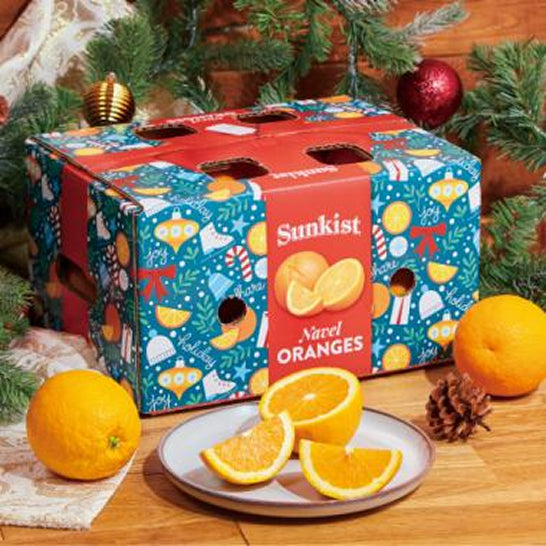
When oranges grow on the tree for a long time, their chlorophyll reacts with the sunlight, and the epidermis may turn back to green. This is called the regreening phenomenon. The ripeness is higher than it looks.
Contains polyphenols such as anthocyanins and flavonoids.
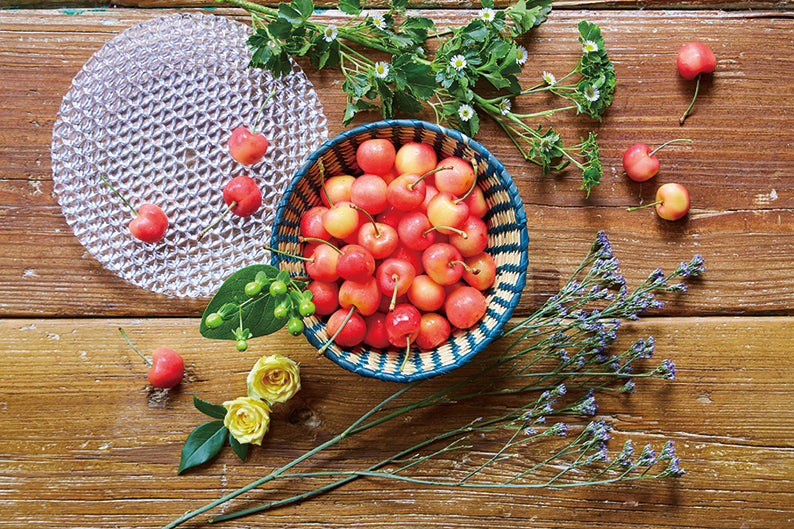
An elegant sweetness that you will never forget once you taste it. It's juicy with lots of juice.
Produced in Washington state or Oregon: June to July
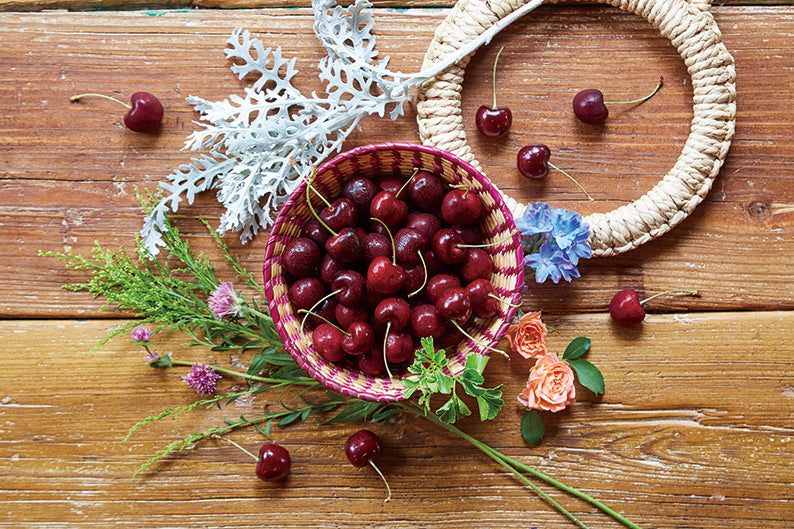
General term for varieties with reddish-purple skin. The most typical variety is the Bink variety, which has a rich sweet taste.
California Bing: May to June
Washington or Oregon Bing: May to June
Washington or Oregon late-maturing dark: July
Canadian dark: August
New Zealand dark: January to February
We want to always deliver fruit that will make you smile the moment you open the box and burst into laughter the moment you eat it.
is a limited edition air-freight product directly from the farm. An overwhelmingly proud item that is rarely seen in Japan!
When oranges grow on the tree for a long time, their chlorophyll reacts with the sunlight, and the epidermis may turn back to green. This is called the regreening phenomenon. The ripeness is higher than it looks.
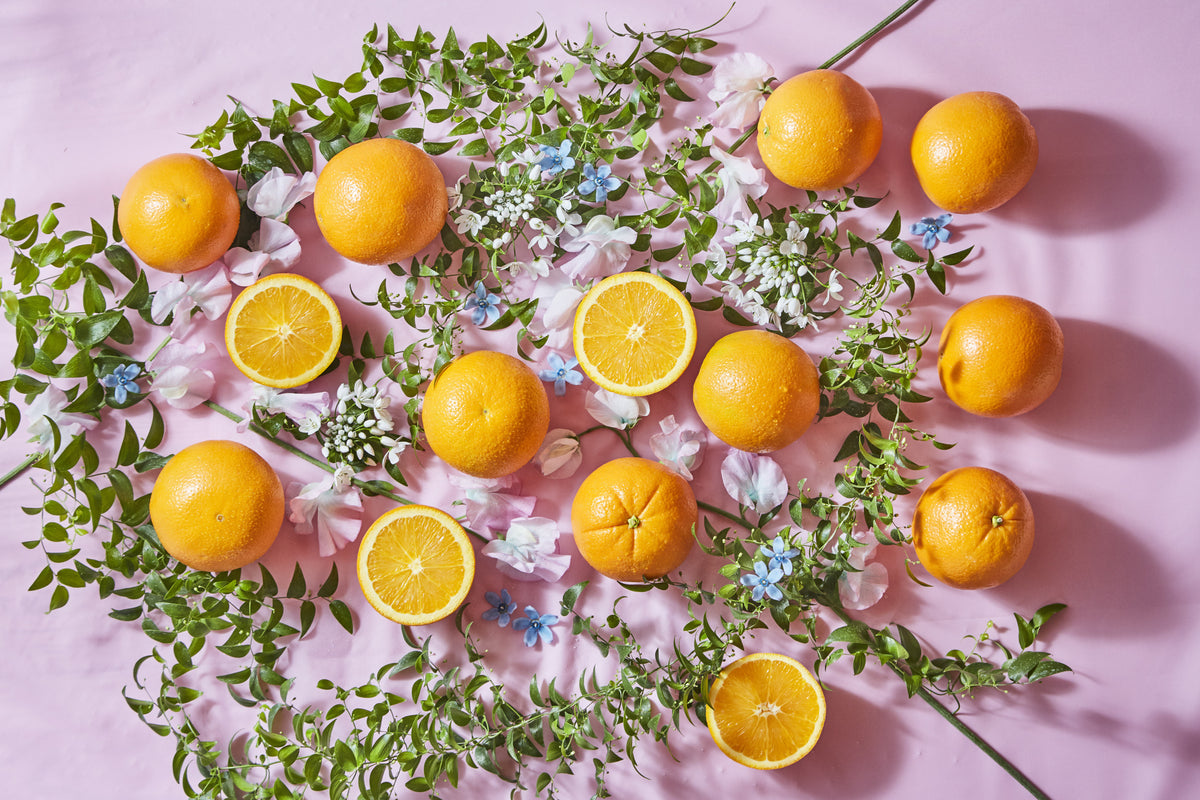
The name navel (“navel” in English) comes from the protruding or concave appearance of the lower part of the fruit. It has a strong sweetness and a gorgeous fragrance.
Produced in California: December to May
Produced in Australia: July to November

A combination of grapefruit and tangerine. A unique sweet and sour aroma and juicy taste. It has a shape similar to Dekopon, and its skin is easy to peel.
Produced in California: May to June
Produced in South Africa: August to October
Produced in Australia: November to January
We directly import the best fruits from around the world.
We continue to pay close attention to quality even after our products arrive in Japan, delivering juicy, freshly picked fruit.

This name comes from the fact that the fruit grows like grapes. Light bitterness and refreshing aroma. It is broadly classified by its white or ruby flesh.
*Due to the strong winds that sometimes occur during hurricanes, branches and other objects may rub against the outer skin and cause scratches.
This is a testament to the strong and delicious fruit that survived the wind until harvest time.
Produced in Florida: November to April
Produced in California: May to June
Produced in South Africa: July to September
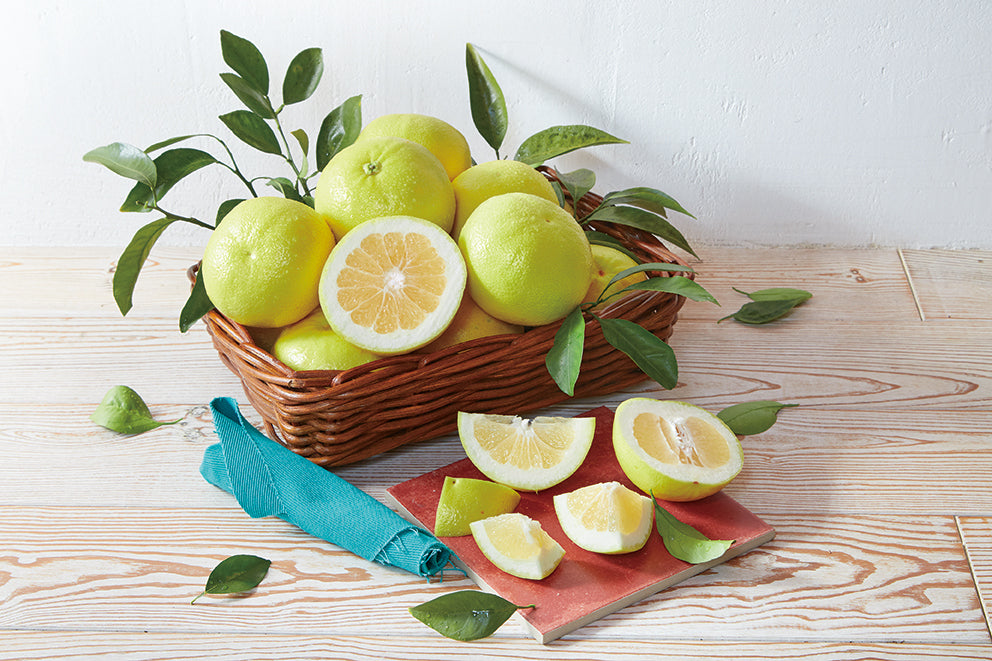
A combination of grapefruit (white) and pomelo, which is the largest of the citrus fruits. It has a refreshing taste of grapefruit with a touch of sweetness that will please children.
*It is characterized by the thick white fiber part (albedo) inside the pericarp. Albedo absorbs nutrients like a sponge and plays a role in keeping the pulp juicy.
Produced in California: November to February
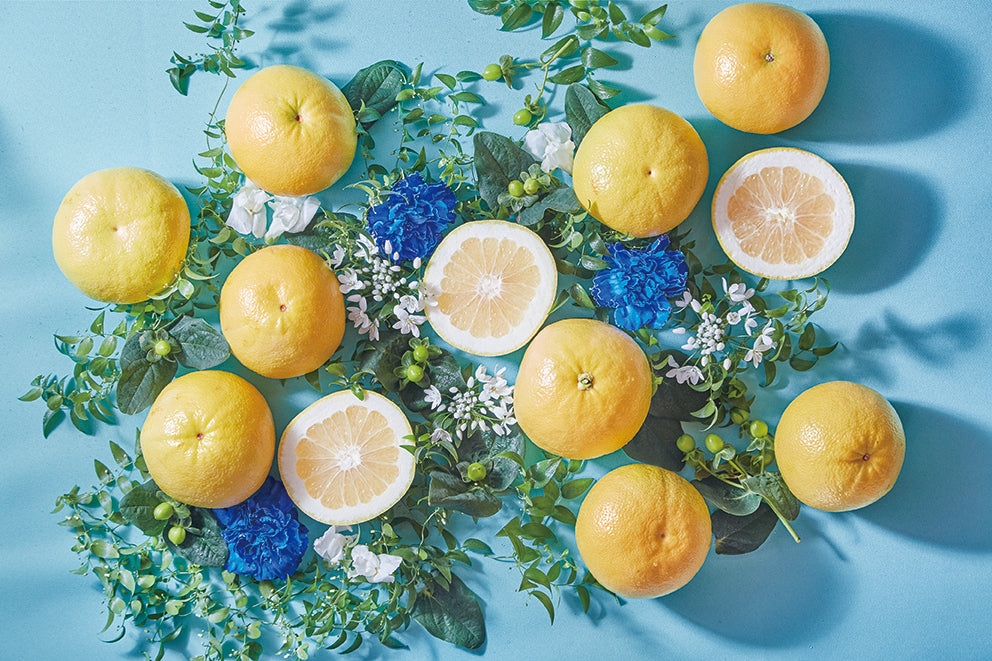
Refreshing flavor with low acidity. The outer skin starts out as yellow-green and becomes more yellow as the season progresses.
*It is characterized by the thick white fiber part (albedo) inside the pericarp. Albedo absorbs nutrients like a sponge and plays a role in keeping the pulp juicy.
Produced in California: January to February

A seedless variety that can be eaten with its crisp skin. The skin contains a lot of anthocyanin, a type of polyphenol, and can be expected to relieve eye strain and remove active oxygen. It appears in the wall paintings of ancient Egypt, and is said to have a history of 4000 to 3000 BC.
●Black: Deep, rich sweetness.
●Red: Elegant sweetness.
●Green type: Refreshing sweetness.
*Do not wash the white powder (bloom) on the outer skin until just before eating. Natural ingredients from the fruit keep it fresh. In addition, even seedless varieties may occasionally contain seeds.
Storing it in a plastic bag in the refrigerator will preserve its quality for a longer period of time.
Black from California: November to December
Red from California: September to December
Red from Australia: May to June
Chilean red: February
Green from California: September to December
Australian green type: April to May
Chilean green type: January
It got its name from its smooth sweetness, which is like dripping with honey. The outer skin is slightly whitish, pale green, and smooth. It contains a lot of potassium and is said to help regulate the body's water balance. It also contains the proteolytic enzyme cucumicin, which aids in digestion. This melon is common in America.
・When it smells like melon.
・When the outer skin becomes yellowish and when you press the navel on the shaft with your finger, it becomes a little soft.
・When you pick up the melon and shake it, you can feel the seeds moving.
Avoid direct sunlight and store at room temperature (20-25℃) for 1-2 weeks with good ventilation.
After ripening, put it in the refrigerator for about 2 to 3 days.
If the fruit does not change even after ripening for 1 to 2 weeks at room temperature, please cut it and check. In the unlikely event that the fruit is immature, replace it. Apples and bananas produce ethylene gas, so don't store them together in plastic bags.

Refreshing emerald green flesh.
Produced in California: July to October

Produced in California: July to October

Estimated time to eat
When the outer skin turns from dark green to blackish and feels a little elastic.
Follow ripening
Avoid direct sunlight and store at room temperature (20~25℃) with good ventilation.
How to store
After ripening, put it in the refrigerator for about 2 to 3 days.
Do not store apples and bananas together in plastic bags as they produce ethylene gas.
Mexico or Peruvian: January to December

It got its name from its pinecone-like outer skin and apple-like sweetness. Citric acid and the proteolytic enzyme bromelain are said to tenderize meat and aid in digestion.
Store in the refrigerator for about 2 to 3 days. Since the lower part of the fruit has a lot of sugar, it is said that removing the leaves and storing it upside down will even out the sweetness.
Made in Taiwan: March to June

Autumn in North America. Only a master who knows the mountain can harvest matsutake mushrooms deep in the mountains. A beautiful pure white figure. Matsutake mushrooms, which come from the mountains and have a rich aroma and flavor as well as a good texture, have become popular not only in Japan but all over the world in recent years.
Matsutake mushrooms have a water content of about 80% or more. Depending on storage conditions such as temperature and humidity, sliminess may occur, but this is a natural phenomenon.
Those in the state of ``bud'' with no membrane breaks on the back of the cap. It has an excellent balance of aroma and flavor.
How to eat
Wipe it with a damp cloth and tear it with your hands to get a rich aroma. (Do not wash or use a knife) Great for a variety of dishes such as classic grilled matsutake mushrooms, matsutake rice, sukiyaki, tempura, steamed clay pots, soup, matsutake pasta, and more!
How to store
Wrap the whole box in kitchen paper or newspaper, then store in plastic wrap or a plastic bag in the refrigerator. Freshness is key, so please hurry.
Produced in America, Canada: June to November
A melt-in-your-mouth texture with a sweet aroma and rich flavor! Contains vitamin C, and beta-carotene increases as it ripens.
When you hold it in your hand, it feels a little elastic and has a faint scent.
Avoid direct sunlight and store at room temperature (20-25℃) with good ventilation.
Approximately 2 to 3 days in the refrigerator.
Mango is a member of the sumac family, so those with allergies should be careful. Apples and bananas produce ethylene gas, so don't store them together in plastic bags.
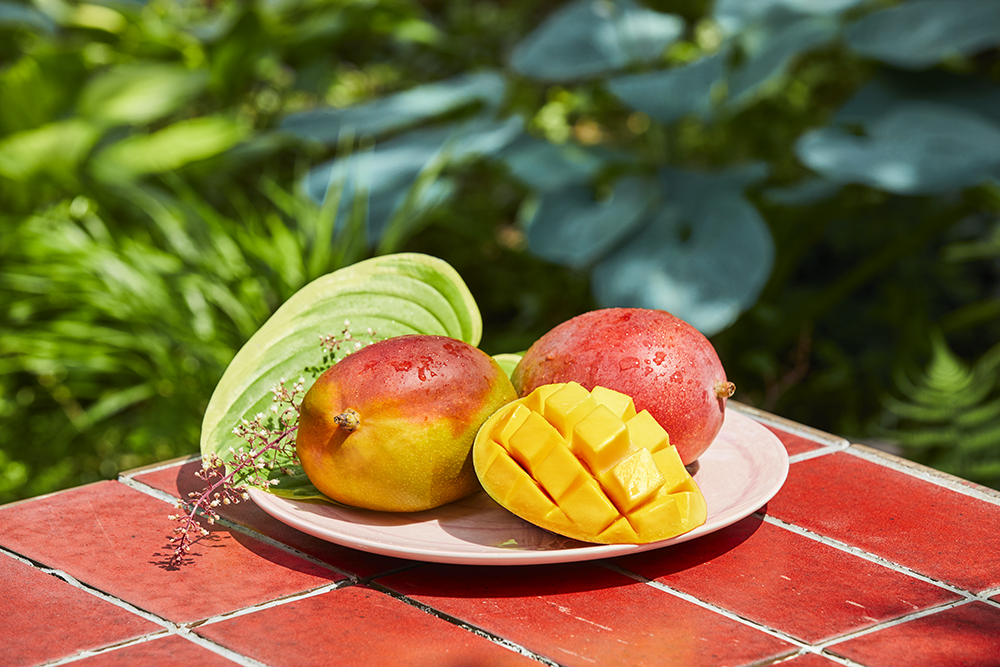
It is called apple mango because of its apple-like appearance. It has a very strong sweet taste.
Produced in Mexico: May to August
Produced in Brazil: September to December
Produced in Peru: November to April
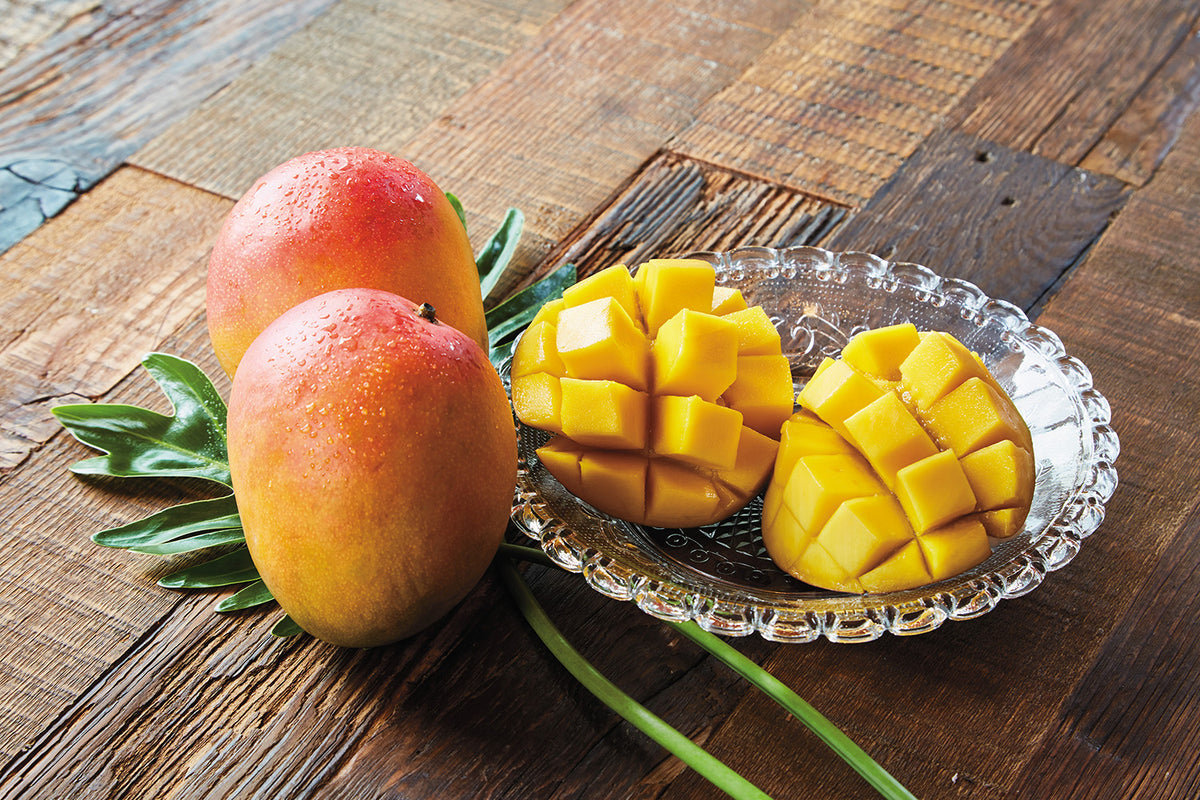
Low fiber and very smooth. It is known to come from Miyazaki and Okinawa prefectures, but it is said that it was originally brought from Taiwan.
Made in Taiwan: June to August
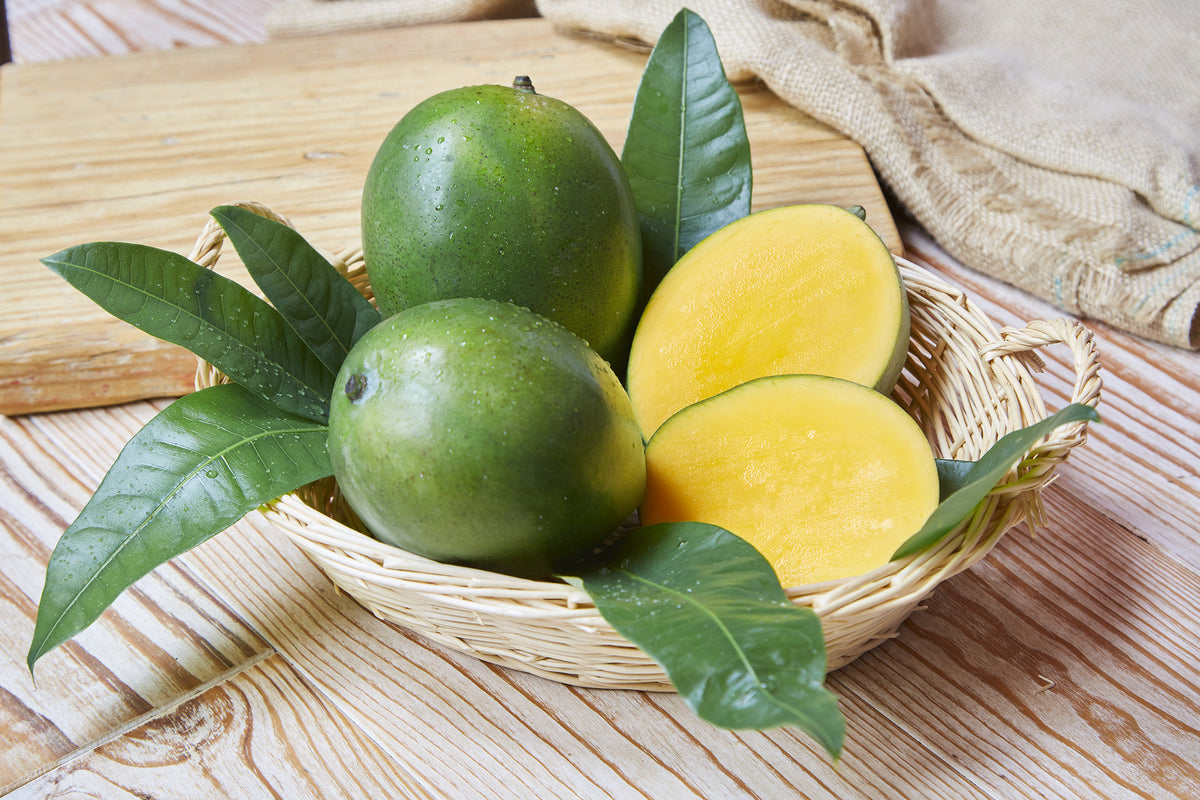
Green mango harvested only in California. It has a perfect sourness that brings out the sweetness of the mango.
Produced in California: September to October
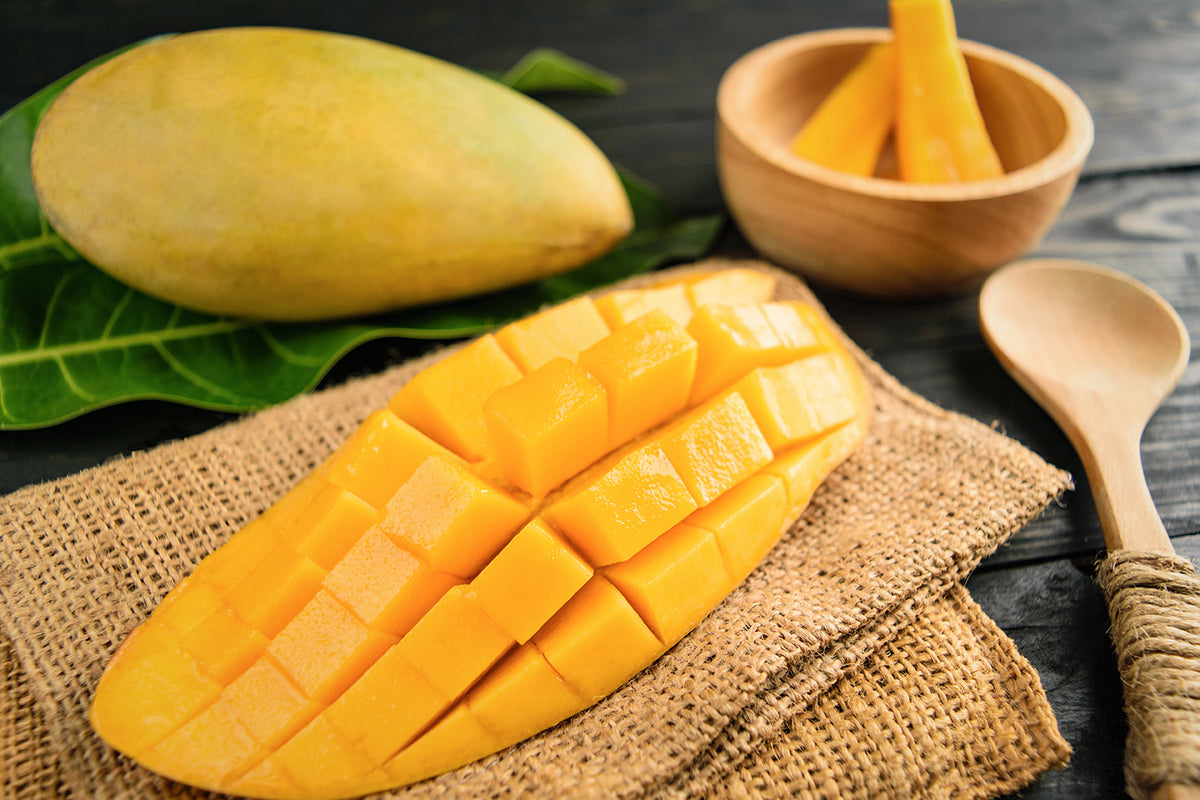
It is also called pelican mango because of its appearance that resembles the beak of a pelican. It has a soft texture and a rich aroma and sweetness.
Produced in Thailand: September to April

Contains a lot of flavonoids (antioxidants). The juicy fruit feels heavy when you pick it up.
*The epidermal wax is derived from natural plant ingredients. Prevents moisture evaporation and maintains freshness. *Citrus uses a fungicide that is recognized as safe under Japanese law.
Storing it in a plastic bag in the refrigerator will preserve its quality for a longer period of time.
Citrus uses fungicides that are recognized as safe under Japanese laws and regulations.
| imaginel | Thiabendazole | fludioxonil | Anxystrobin | propiconazole | Pyrimethanil | orferphenol sodium | ||
|---|---|---|---|---|---|---|---|---|
| navel orange | california | imaginel | Thiabendazole | fludioxonil | Anxystrobin | propiconazole | Pyrimethanil | |
| Made in Australia | imaginel | Thiabendazole | fludioxonil | Pyrimethanil | ||||
| valencia orange | california | imaginel | Thiabendazole | fludioxonil | Anxystrobin | propiconazole | Pyrimethanil | |
| Made in Australia | imaginel | Thiabendazole | fludioxonil | Anxystrobin | propiconazole | Pyrimethanil | ||
| Made in South Africa | imaginel | Thiabendazole | Pyrimethanil | |||||
| grapefruit | california | imaginel | Thiabendazole | fludioxonil | Anxystrobin | propiconazole | Pyrimethanil | |
| florida | imaginel | Thiabendazole | Pyrimethanil | orferphenol sodium | ||||
| Mineola | california | imaginel | Thiabendazole | fludioxonil | Anxystrobin | propiconazole | Pyrimethanil | |
| Oroblanco | california | imaginel | Thiabendazole | fludioxonil | Anxystrobin | propiconazole | Pyrimethanil | |
| melo gold | california | imaginel | Thiabendazole | fludioxonil | Anxystrobin | propiconazole | Pyrimethanil |


